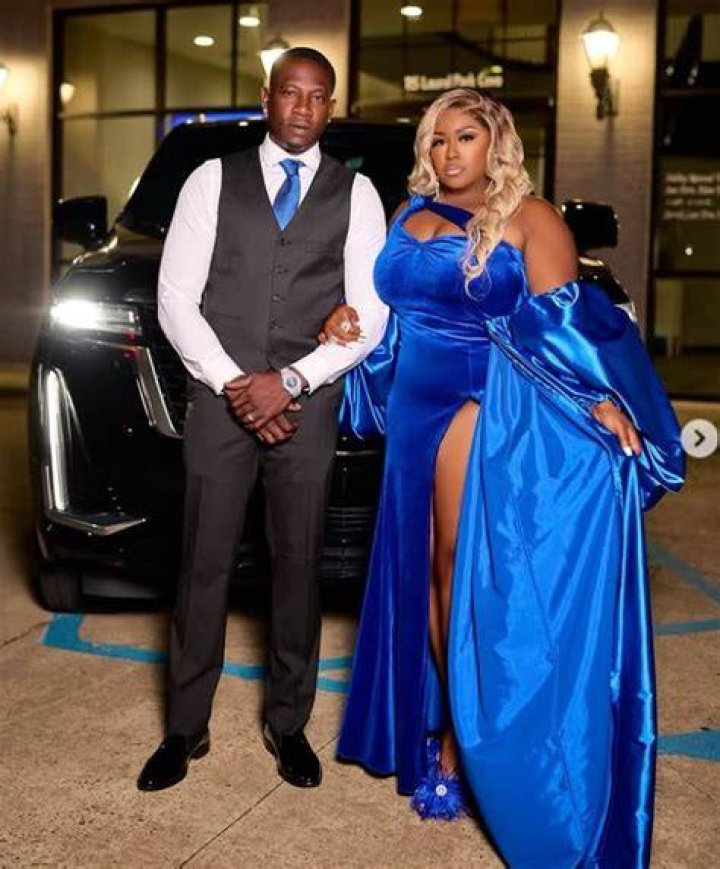
Yoruba dress holds a special place in the heart of Nigerian culture, showcasing the rich heritage and artistry of the Yoruba people. As one of the largest ethnic groups in Nigeria, the Yoruba community has a vibrant tradition of fashion that reflects their history, values, and identity. In this article, we will delve into the fascinating world of Yoruba dresses, exploring their significance, styles, and how they have evolved over time.
The Yoruba dress is more than just clothing; it is a symbol of social status, cultural pride, and artistic expression. From the intricate designs to the vibrant colors, each piece tells a story and embodies the spirit of the Yoruba culture. In the following sections, we will take a closer look at the different types of Yoruba dresses, their history, and the craftsmanship involved in creating these stunning garments.
Join us on this journey as we celebrate the beauty of Yoruba dresses and their impact on contemporary fashion. Whether you are looking to understand more about this cultural attire or seeking inspiration for your wardrobe, this article will provide you with a comprehensive overview of Yoruba dresses that you won't want to miss.
Table of Contents
History of Yoruba Dresses
The history of Yoruba dresses is deeply intertwined with the social and cultural evolution of the Yoruba people. Traditionally, the Yoruba community has placed great importance on clothing as a means of expressing identity and social standing. Historical records indicate that Yoruba dresses have been worn for centuries, with styles evolving to reflect changing societal norms and influences.
In the past, clothing was often handcrafted using locally sourced materials such as cotton and silk. The Yoruba people were known for their elaborate weaving techniques and the use of vibrant dyes, which resulted in stunning textiles that were both functional and beautiful. Over time, as trade routes expanded and cultural exchanges occurred, new fabrics and styles began to emerge, enriching the Yoruba fashion landscape.
Today, Yoruba dresses continue to be a vital part of the cultural heritage of the Yoruba people, symbolizing their history and resilience. The traditional garments are often worn during festivals, weddings, and other significant events, serving as a reminder of the community's rich past.
Types of Yoruba Dresses
Yoruba dresses come in various styles, each with its unique characteristics and cultural significance. Here are some of the most popular types:
1. Agbada
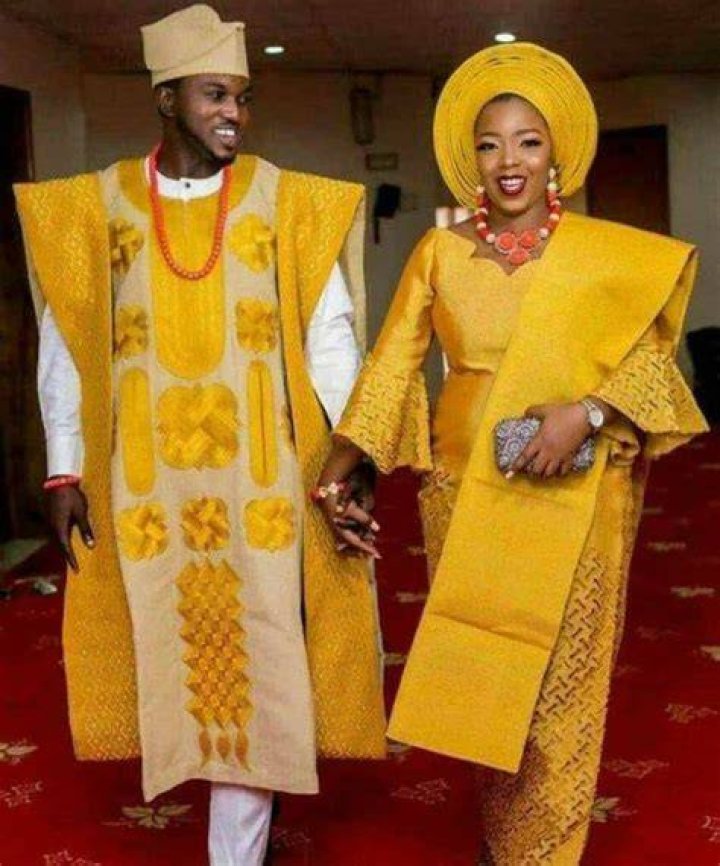
Agbada is a traditional flowing robe worn by men, often made from richly embroidered fabric. It is typically worn over a pair of trousers and is known for its grandeur and elegance, making it a popular choice for formal occasions.
2. Buba and Iro
Buba is a loose-fitting blouse worn by women, while Iro is a wrapper tied around the waist. Together, they create a beautiful ensemble that is both comfortable and stylish. This combination is widely worn at various events, from weddings to religious ceremonies.
3. Aso Oke
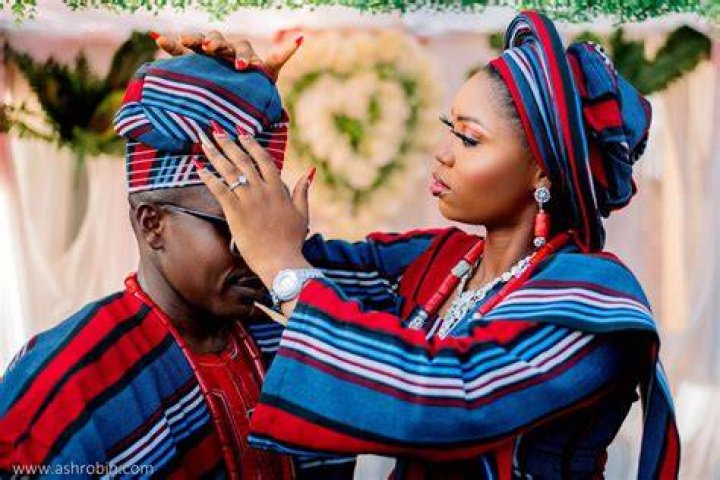
Aso Oke is a traditional handwoven cloth made by the Yoruba people, often used to create unique garments. This fabric is known for its intricate patterns and vibrant colors and is commonly worn during special occasions.
4. Lace and Ankara Styles
In modern fashion, lace and Ankara fabrics have become increasingly popular among Yoruba women. These materials are often used to create stylish dresses, skirts, and blouses, blending traditional craftsmanship with contemporary trends.
Craftsmanship Behind Yoruba Dresses
The craftsmanship involved in creating Yoruba dresses is a testament to the skill and artistry of the makers. Traditional Yoruba clothing is often handmade, with artisans employing various techniques to produce intricate designs.
Key aspects of Yoruba dressmaking include:
- Weaving: The weaving process, especially for Aso Oke, requires immense skill and patience. Each piece is crafted on a loom, and the artisans often use traditional patterns that have been passed down through generations.
- Embroidery: Many Yoruba dresses feature intricate embroidery, which adds depth and texture to the garments. This embellishment often tells a story or symbolizes a particular aspect of Yoruba culture.
- Tailoring: Tailoring plays a crucial role in creating well-fitted and stylish garments. Skilled tailors ensure that each piece is tailored to perfection, considering the unique body shapes and preferences of the wearers.
The Significance of Colors in Yoruba Fashion
Colors hold a significant meaning in Yoruba culture, and this is reflected in their fashion choices. Each color is often associated with specific emotions, occasions, or messages.
- White: Symbolizes purity and is often worn during religious ceremonies.
- Blue: Represents peace and tranquility, commonly used in traditional attire.
- Red: Signifies strength and vitality, frequently seen during celebrations.
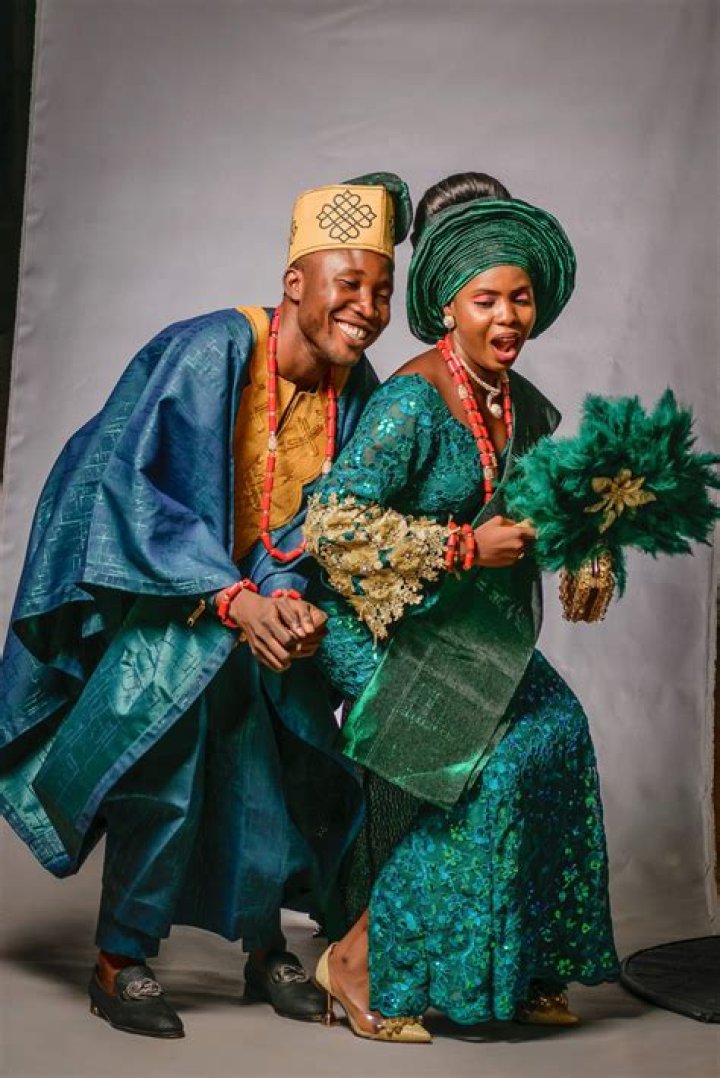
- Green: Associated with fertility and prosperity, often worn during weddings and festivals.
Understanding the meanings behind these colors can help individuals choose the appropriate attire for different occasions, further enriching the experience of wearing Yoruba dresses.
Wearing Yoruba Dresses for Special Occasions
Yoruba dresses are often worn for various significant events, reflecting the cultural importance of attire in the Yoruba community. Some occasions where Yoruba dresses play a central role include:
- Weddings: Yoruba weddings are known for their vibrant fashion, with both the bride and groom showcasing beautiful traditional attire.
- Festivals: During cultural festivals, Yoruba people don their best clothes, celebrating their heritage and traditions.
- Religious Ceremonies: Yoruba dresses are essential during religious events, emphasizing the connection between faith and culture.
These occasions provide an opportunity for individuals to express their cultural pride while showcasing the beauty of Yoruba fashion.
Modern Interpretations of Yoruba Dresses
In recent years, Yoruba dresses have gained popularity beyond Nigeria, influencing global fashion trends. Designers are now incorporating Yoruba styles and fabrics into contemporary clothing, creating a fusion of traditional and modern elements.
This evolution has led to:
- Innovative Designs: Modern designers are experimenting with cuts, fabrics, and styles, making Yoruba dresses accessible to a wider audience.
- Global Fashion Shows: Yoruba-inspired designs are now showcased in international fashion shows, highlighting the richness of African culture.
- Online Presence: The rise of e-commerce has allowed artisans and designers to reach a global audience, promoting Yoruba fashion around the world.
How to Style Yoruba Dresses
Styling Yoruba dresses can be a delightful experience, allowing individuals to express their creativity while honoring cultural traditions. Here are some tips for styling Yoruba attire:
- Accessorize: Incorporate traditional accessories such as gele (headwraps), beads, and bangles to enhance the overall look.
- Mix and Match: Experiment with different fabrics and patterns to create a unique style that reflects your personality.
- Footwear: Choose appropriate footwear that complements the outfit, whether it's traditional sandals or modern heels.
Embracing personal style while respecting cultural significance is key to styling Yoruba dresses effectively.
Where to Buy Authentic Yoruba Dresses
Finding authentic Yoruba dresses can be an exciting adventure. Here are some places to consider:
- Local Markets: Explore local markets in Nigeria, where artisans sell handmade Yoruba dresses and fabrics.
- Online Stores: Numerous online platforms specialize in African fashion, offering a wide range of Yoruba dresses for purchase.
- Fashion Shows: Attending fashion shows focusing on African designers can provide opportunities to buy unique pieces directly from the creators.
When purchasing Yoruba dresses, it's essential to ensure authenticity to support local artisans and preserve the cultural heritage.
Conclusion
In conclusion, Yoruba dresses are a beautiful representation of the rich cultural heritage of
Mister Ibu: The Enigmatic Presence In Indonesian Culture
Swapping Wives: Exploring The Dynamics And Implications Of Marriage Exchange
CrankGamePlays: The Rise Of A Gaming Sensation